
A Frisco Mafia Deep Dive 1928-1932
This is a trailer for my first official Patreon bonus episode. To hear future bonus episodes, please join FRISCO: The Secret History at Patreon.
TRANSCRIPT:
Welcome to the Frisco the. Secret History Podcast. I’m your host, Knox Bronson.
This is a bonus episode for Patreon subscribers. It’s my first bonus episode for Patreon subscribers. You can find Frisco on Patreon at www.Patreon.com/Frisco. All main episodes of Frisco, The Secret History will always be free.
The big movies at the end of 1928 were The Singing Fool, starring Al Jolson. The Circus, a silent comedy film by Charlie Chaplin, and Street Angel, a silent romantic drama. All were among the top grossing films of the year.
It was the release of Walt Disney’s “Steamboat Willie,” introducing Mickey Mouse to the world, that really caught the public’s fancy. It was the first ever animated cartoon with a film score and sound effects synchronized to the on-screen action. And everybody loved Mickey Mouse.
The top headline on December 21, 1928 read, “DESTITUTE FAMILY FORCED TO EAT CHILDREN’S PETS
LAST RABBITS FACE DEATH IN STEW POT
No Matter What Happens They Won’t Eat Cottontail That Belongs to Little Katie May
By SAM GOODHEART
No matter what happens, they won’t eat the little brush rabbit.
“Pinkie,” the big white one that was Michael’s pet, was killed last Sunday for dinner. *Fluffy’ went into the stew pot a week before that, while a certain small boy sat silent at the table, his lip trembling.
“No, mother, I ain’t hungry !”
Now the only two left in the rabbit hutch are the big black fellow that belongs to Jerry and the tiny cotton tail they caught over by Lake Merced, the one that Katie May treasures with all the love that is stored up in the heart of a tiny miss of three.
read more…
Sign up for free and receive a free eBook: Secrets of Pisco Punch Revealed. And please tell your friends!
Click to view other platforms: Apple Podcasts, Spotify, et cetera!

The Secret History of Frisco
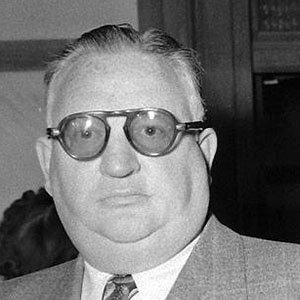
Elmer “Bones” Remmer
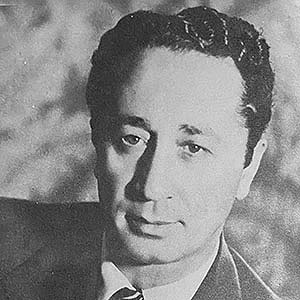
Jimmie Tarantino
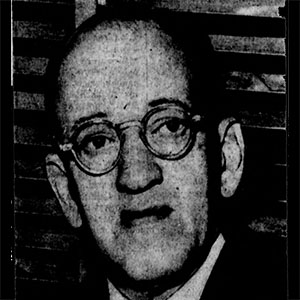
Bill Wren
Managing Editor of the SF Examiner, Bill Wren ran the city, played the horses, and didn’t like to pay up when he lost a bet.
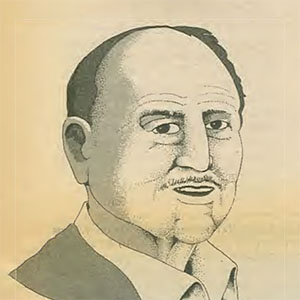
Bob Patterson
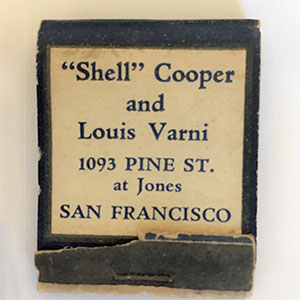
Shell Cooper

Sally Stanford
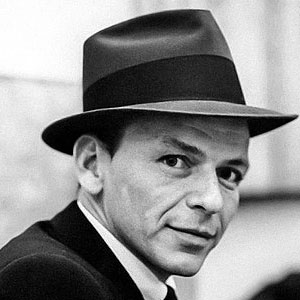
Frank Sinatra
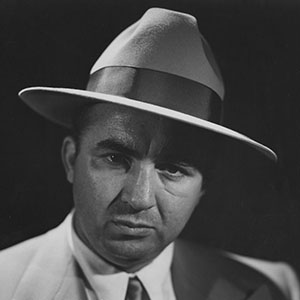
Mickey Cohen
Thomas Lynch

Herb Caen
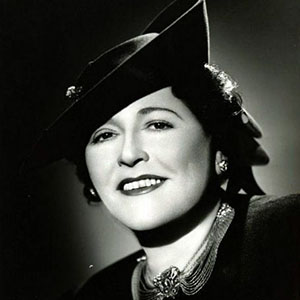
Louella Parsons
Estes Kefhauver
“Freddie Francisco, alias Bob Patterson, once posed as a member of royalty. He assumed the title of a Count, under the name of Maximilian B.H.M. Carlton as the son of Marquis of Gahnst and a subaltern in the Black Watch regiment, and as such was arrested in Tucson, Arizona and on Jan. 27, 1928, was arrested for grand larceny by the Chicago Police. (Can you picture columnist Francisco as a count?)”—Jimmie Tarantino, Hollywood Life Magazine.